Journal topics
- Art (60)
- From the Studio (44)
- Architecture (38)
- Graphic Design (37)
- Interiors (37)
- Illustration (32)
- Product Design (31)
- Photography (29)
- Fashion (11)
- Design Classics (9)
The Chesterfield Sofa: A Design Classic
Few sofas are as instantly recognisable as the Chesterfield. Deep buttoning, rolled arms and that low, generous silhouette have given it a character that seems equally at home in a traditional library or a much more contemporary interior. For something so familiar, though, its beginnings are surprisingly difficult to pin down.
What makes a Chesterfield?
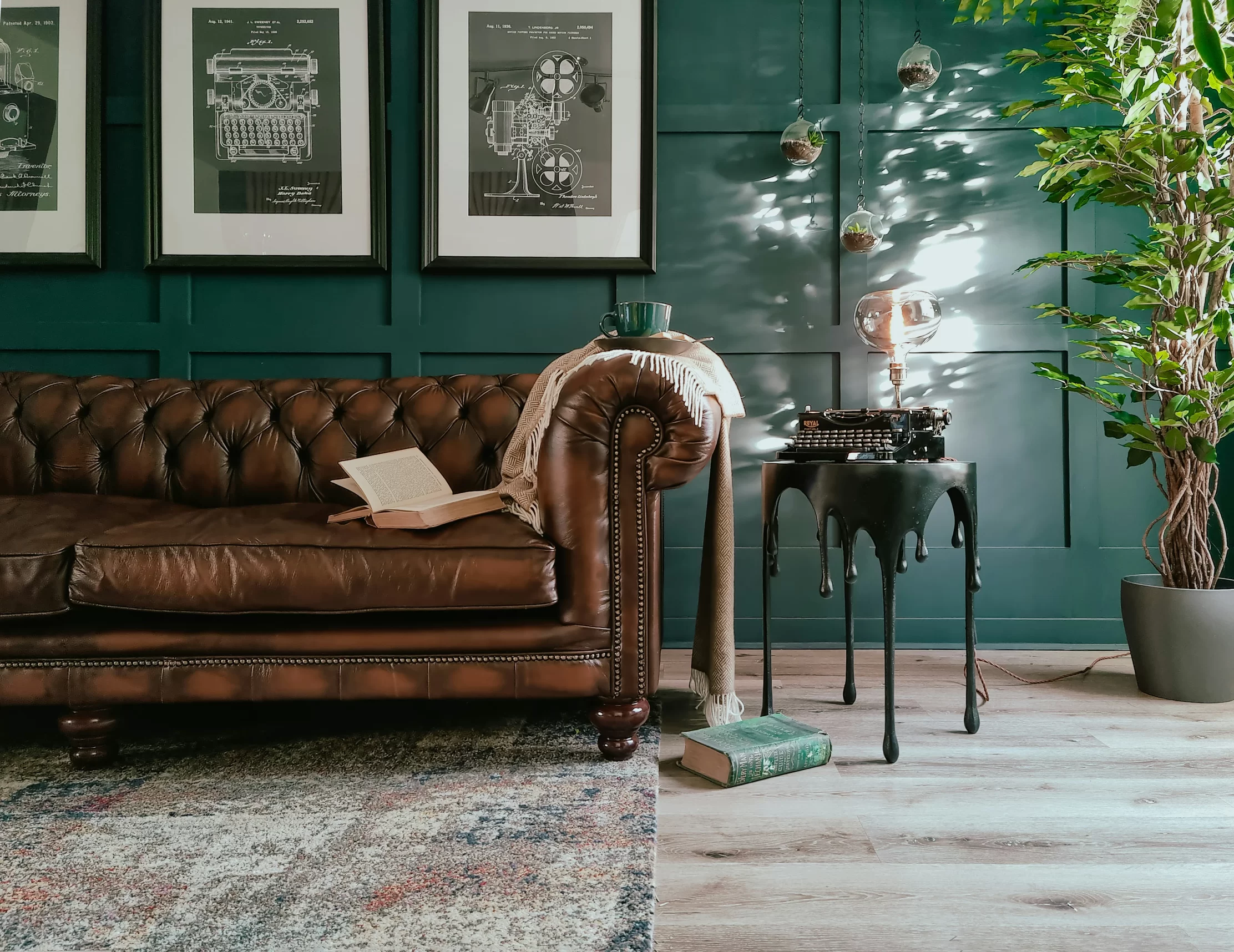
A traditional Chesterfield is usually defined by its upholstered arms and back sitting at the same height, with deep buttoning completing the distinctive shape. Leather is the material most closely associated with the design, although over the years the same form has appeared in velvet, fabric and almost every colour imaginable.
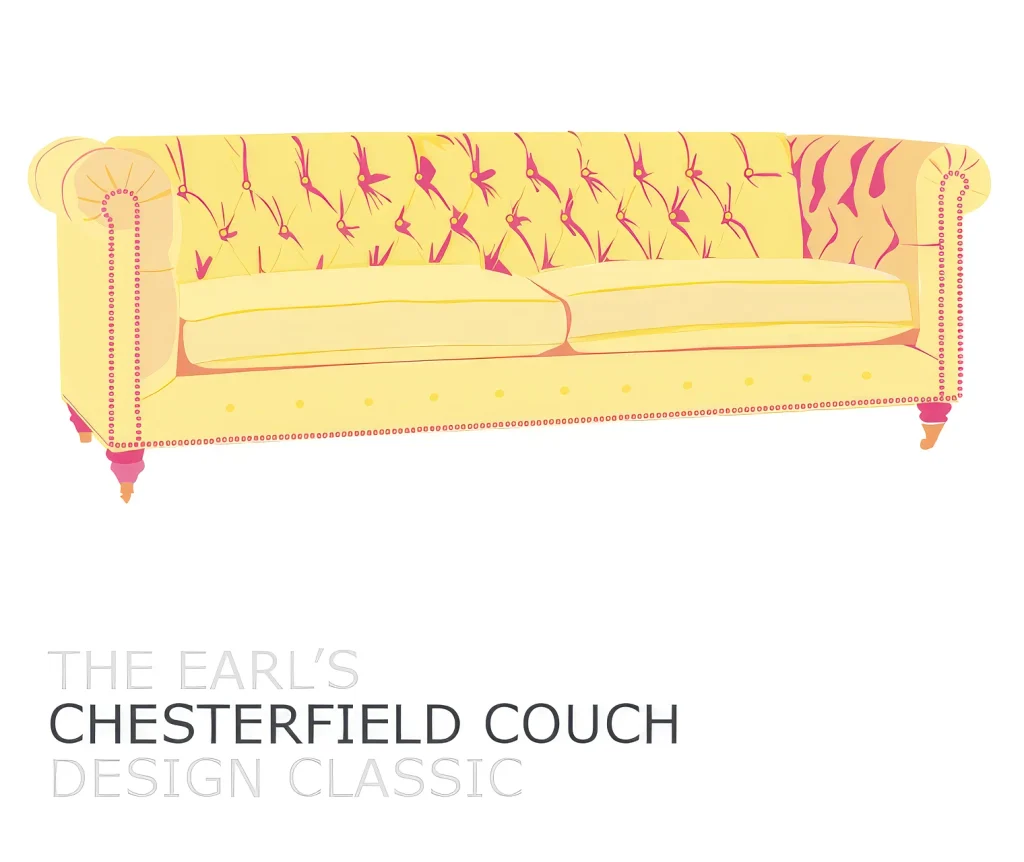
Our own illustration strips the sofa back to those essential features. Even in simplified form, there is very little doubt what it is. That ability to remain recognisable while materials, colours and surroundings change is one of the things that makes the Chesterfield such an enduring piece of furniture design.
A design with mysterious origins
The best-known story links the Chesterfield to Philip Dormer Stanhope, 4th Earl of Chesterfield, an 18th-century statesman with a reputation for elegance and style. According to the tale, he commissioned a seat that would allow a gentleman to sit upright and comfortably without creasing his clothes.
It is a wonderfully appropriate story, but the history is less tidy than the legend suggests. There is little firm evidence tying the Earl directly to the Chesterfield sofa we recognise today, and its familiar form appears to have evolved rather than arriving as one documented design by a single maker. Perhaps a little mystery suits it.
From traditional rooms to contemporary interiors
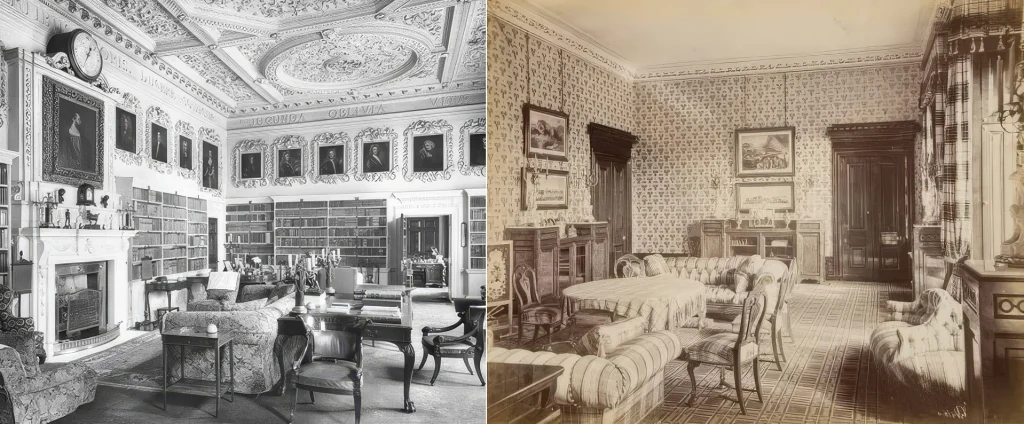
The Chesterfield became closely associated with drawing rooms, libraries and clubs, where dark leather, deep buttoning and generous proportions sat comfortably among richly furnished surroundings. That traditional image has stuck, but it only tells part of the story.
Change the leather for velvet, introduce an unexpected colour or put one against a cleaner contemporary interior and the same familiar shape suddenly takes on a very different character. Not long after illustrating our Chesterfield, some rather more extravagant versions caught our eye for another Pickle article, Opulent Chesterfields.
It is that adaptability that has helped the Chesterfield last. The details can be played with, exaggerated or pared back, but enough of the original character remains for the design to be understood almost immediately.
A Pickle Design classic
We first illustrated the Chesterfield in 2016 as part of our fascination with objects whose shapes have become almost inseparable from their names. Over on Design Debate, our Design Classics collection brought it together with the Anglepoise lamp, Valentine typewriter, Jaguar E-Type, Mini Cooper and other pieces that have earned a place in design history.
The interest in classic furniture actually went back further. Our Take a Seat feature looked back at Pickle’s 2014 calendar of classic chair design, including work by Frank Gehry, Arne Jacobsen and other designers. More recently we returned to the idea for our 2025 Design Classics calendar, this time widening the collection beyond furniture.
The Chesterfield has one of the more mysterious histories in that collection, but perhaps the success of the design matters more than having a neat origin story. Generations of changing interiors have failed to make its deep buttons and distinctive arms look out of place. That seems a pretty convincing qualification for a design classic.
From the Pickle archive
This feature began life in our June 2016 newsletter, where the Chesterfield appeared alongside some recent vehicle livery, our Fraddon Pottery stamp and an illustrated Fowey calendar. View the original June 2016 newsletter.