Journal topics
- Art (60)
- From the Studio (44)
- Architecture (38)
- Graphic Design (37)
- Interiors (37)
- Illustration (32)
- Product Design (31)
- Photography (29)
- Fashion (11)
- Design Classics (9)
Opulent Chesterfields: A Design Classic Reimagined
The Chesterfield is one of those pieces of furniture that really ought to feel old fashioned. Dark leather, gentleman’s clubs, wood-panelled libraries and a glass of something expensive spring fairly readily to mind. And yet it takes surprisingly little to knock the dust off it.
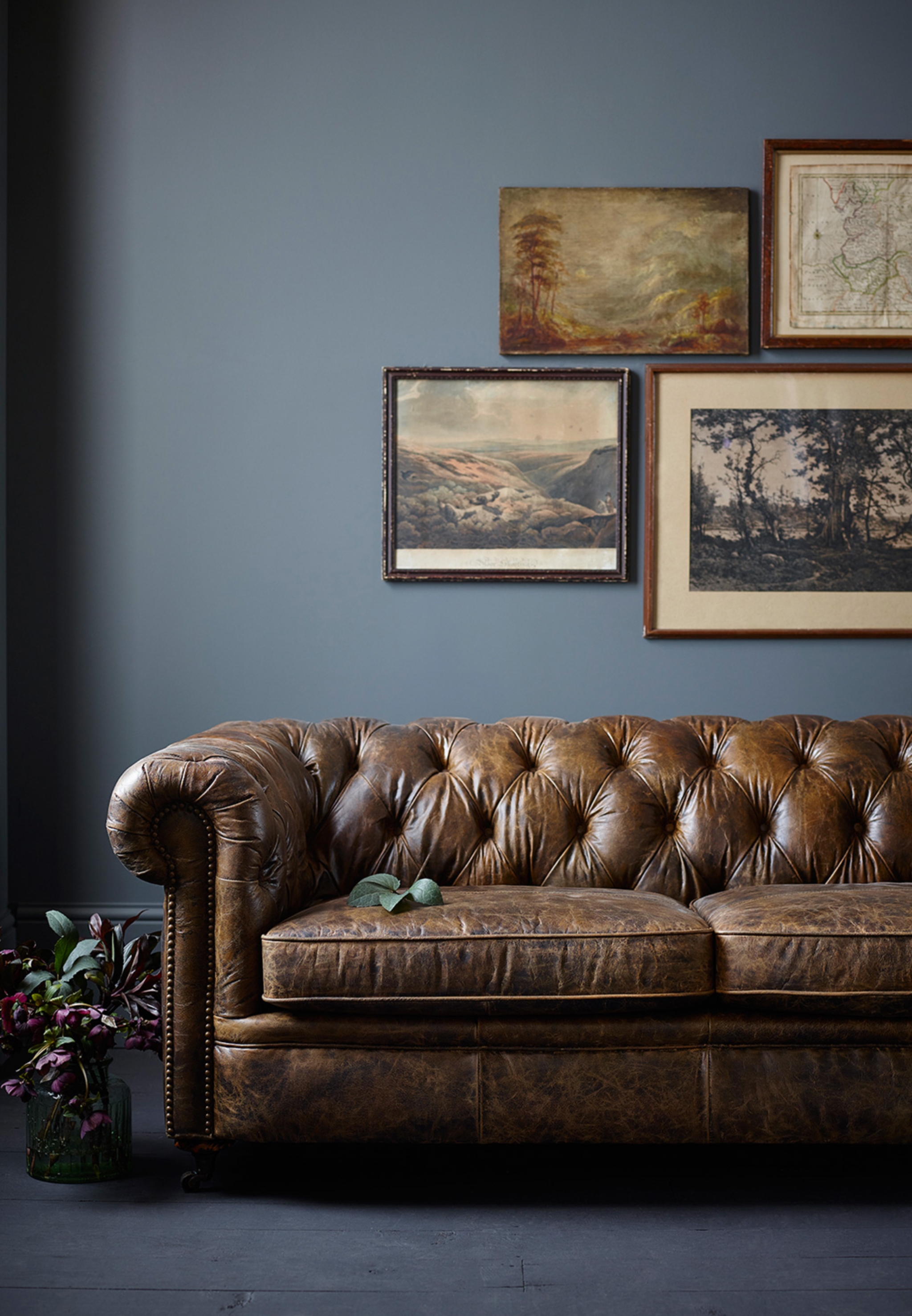
These Chesterfields originally caught my eye back in 2016. I liked the sofas, but it was just as much the photography that stopped me. Rich colours, deep shadows and layers of texture turn a very traditional piece of furniture into something altogether more theatrical.
Same sofa, very different character
Part of the Chesterfield’s appeal is that its shape is so strong. Deep buttoning, rolled arms and that distinctive low silhouette mean you can be surprisingly adventurous with everything else without losing the identity of the piece.
Traditional brown leather gives you the familiar club-room Chesterfield, but change the material and the personality shifts almost immediately. Velvet makes it softer and more indulgent, a strong colour makes it a statement piece, while patterned fabric can push the whole thing somewhere much more playful.
Why velvet works so well
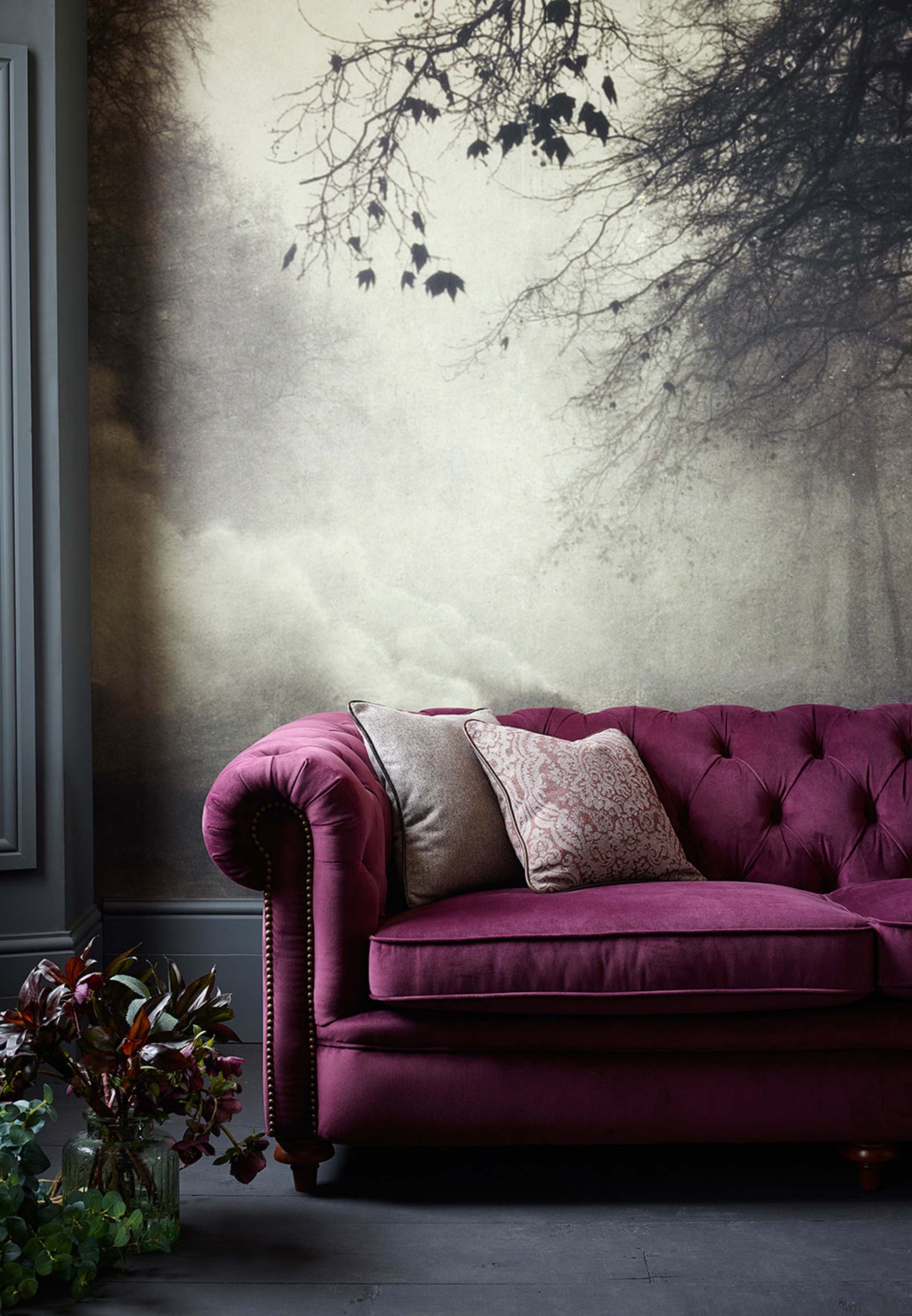
There is something particularly good about a Chesterfield in velvet. The nap of the fabric catches the light differently as it moves across the buttons and curves, exaggerating all the details that make the sofa interesting in the first place.
Leather tends to make those details feel crisp and architectural. Velvet does almost the opposite. The shadows become deeper, the highlights softer and the whole sofa feels more generous. Add a deep plum, petrol blue, bottle green or another strong colour and something that could easily have looked rather formal suddenly becomes the most flamboyant thing in the room.
The room is doing some of the work too
What I still like about these images is that the Chesterfields haven’t been photographed apologetically against a plain white wall. The interiors lean into the drama. Dark tones, pattern, artwork and carefully controlled light all help the sofas feel richer and more sculptural.
It is a useful reminder that a piece of furniture doesn’t exist in isolation. The same Chesterfield can feel stately, eccentric, cosy or surprisingly modern depending on what surrounds it. In a richly decorated room it joins the layers; in a cleaner contemporary space that buttoned silhouette can become almost an object in its own right.
A design classic that takes a bit of messing with
Perhaps that is why the Chesterfield has lasted so well. There are enough fixed ingredients to make it instantly recognisable, but not so many that designers can’t have some fun with it. Material, colour, scale, feet, studs and styling can all change while the essential character survives.
We took a much deeper look at those defining features, along with the rather murky story of where the sofa actually came from, in The Chesterfield Sofa: A Design Classic. It also includes our original Pickle illustration from the Design Classics series.
Furniture classics have cropped up quite a few times in our work over the years. Over on Design Debate, Take a Seat looks back at our illustrated collection of classic chairs, while our later Design Classics collection brought the Chesterfield together with everything from the Anglepoise lamp to the Mini and the Olivetti Valentine typewriter.
There aren’t many sofas that can survive that much reinvention and still be recognised from across a room. Not bad for a design whose exact beginnings remain something of a mystery.